Services
Circularity & Transformation
Circularity & Transformation
Business model transformation requires more than following guidelines. It requires finding a unique path to unique value creation.
Business model transformation requires more than following guidelines. It requires finding a unique path to unique value creation.
By integrating business design, brand strategy, and stakeholder experience into a single cohesive approach, your work on circularity and business transformation becomes a genuine asset that stakeholders can rely on. In collaboration with Andersen Consulting, Fabric brings together global expertise and a deep understanding of the Japanese market, delivering actionable strategies with hands-on support every step of the way.
By integrating business design, brand strategy, and stakeholder experience into a single cohesive approach, your work on circularity and business transformation becomes a genuine asset that stakeholders can rely on. In collaboration with Andersen Consulting, Fabric brings together global expertise and a deep understanding of the Japanese market, delivering actionable strategies with hands-on support every step of the way.
Business Design
Business Design
Turning sustainable thinking into new value. Designing next-generation business models from the ground up.
Are any of these challenges familiar?
Waste costs and regulatory pressure are rising, but the path to circularity isn't clear.
EU legislation on the "right to repair" and product design requirements are no longer a distant concern for Japanese businesses. "We don't know the concrete steps for our own products." "Which part of the process should we tackle first?" "We need to hit recycled material usage targets, but we are trapped in a linear supply chain." "Global have set targets that seem impossible to meet in Japan's material value chains." Companies get stuck at these questions while waste management costs and supplier sustainability requirements pile up on both sides. The longer the transition is delayed, the greater the risk to cost, competitiveness, and business relationships.
Waste costs and regulatory pressure are rising, but the path to circularity isn't clear.
EU legislation on the "right to repair" and product design requirements are no longer a distant concern for Japanese businesses. "We don't know the concrete steps for our own products." "Which part of the process should we tackle first?" "We need to hit recycled material usage targets, but we are trapped in a linear supply chain." "Global have set targets that seem impossible to meet in Japan's material value chains." Companies get stuck at these questions while waste management costs and supplier sustainability requirements pile up on both sides. The longer the transition is delayed, the greater the risk to cost, competitiveness, and business relationships.
You're exploring the circular economy, but can't see where to begin.
Designing a circular business model cuts across products, logistics, revenue structures, and communications. The intention is there, but the conversation stalls at "where do we start." "We need to find innovation opportunities in the new, disrupted reality." When you look outside for support, most engagements end with a report, but little else. Without a partner who can bring in market insight and specialist knowledge, the world has moved on before your prototype reaches the market.
You're exploring the circular economy, but can't see where to begin.
Designing a circular business model cuts across products, logistics, revenue structures, and communications. The intention is there, but the conversation stalls at "where do we start." "We need to find innovation opportunities in the new, disrupted reality." When you look outside for support, most engagements end with a report, but little else. Without a partner who can bring in market insight and specialist knowledge, the world has moved on before your prototype reaches the market.
You want to evolve your products and business, but the model hasn't kept up.
Moving from "sell once" to "keep them coming back" is one of the most effective strategies for reducing waste while stabilising revenue. But the shift to a service-based model means redesigning revenue structures, customer experience, and operations all at once. "We are suffering supply chain disruption more often and need to find a more robust model." Most companies get stuck at "where do we even start" or "how do we build internal consensus." Without forward momentum, the risk of being overtaken by competitors grows every day.
You want to evolve your products and business, but the model hasn't kept up.
Moving from "sell once" to "keep them coming back" is one of the most effective strategies for reducing waste while stabilising revenue. But the shift to a service-based model means redesigning revenue structures, customer experience, and operations all at once. "We are suffering supply chain disruption more often and need to find a more robust model." Most companies get stuck at "where do we even start" or "how do we build internal consensus." Without forward momentum, the risk of being overtaken by competitors grows every day.
From "where do we start" to "making it happen", we work alongside you, end to end.
From turning an idea into a business model to getting it to market, our team of circular design, business development, and brand strategy specialists works as one.
Circular × business design specialists
Experts in circular business, sector-specific service design, product design, and brand development working with you as one team. Integrated support that breaks through silos.
Circular × business design specialists
Experts in circular business, sector-specific service design, product design, and brand development working with you as one team. Integrated support that breaks through silos.
Deep expertise in marketing & business development
From business model design to go-to-market strategy, customer research, and brand storytelling, delivered by one coherent team.
Deep expertise in marketing & business development
From business model design to go-to-market strategy, customer research, and brand storytelling, delivered by one coherent team.
Global intelligence through Andersen Consulting
Through our partnership with Andersen Consulting, we translate regulatory trends and leading practices from Europe and Asia into actionable strategies for the Japanese market. We also identify opportunities to expand from Japan to international markets.
Global intelligence through Andersen Consulting
Through our partnership with Andersen Consulting, we translate regulatory trends and leading practices from Europe and Asia into actionable strategies for the Japanese market. We also identify opportunities to expand from Japan to international markets.
Domestic and international partner network
Access to the right resources for every project, from startups and research institutions to industry specialists, we offer a joined up local to global network for business expansion.
Domestic and international partner network
Access to the right resources for every project, from startups and research institutions to industry specialists, we offer a joined up local to global network for business expansion.
Case studies

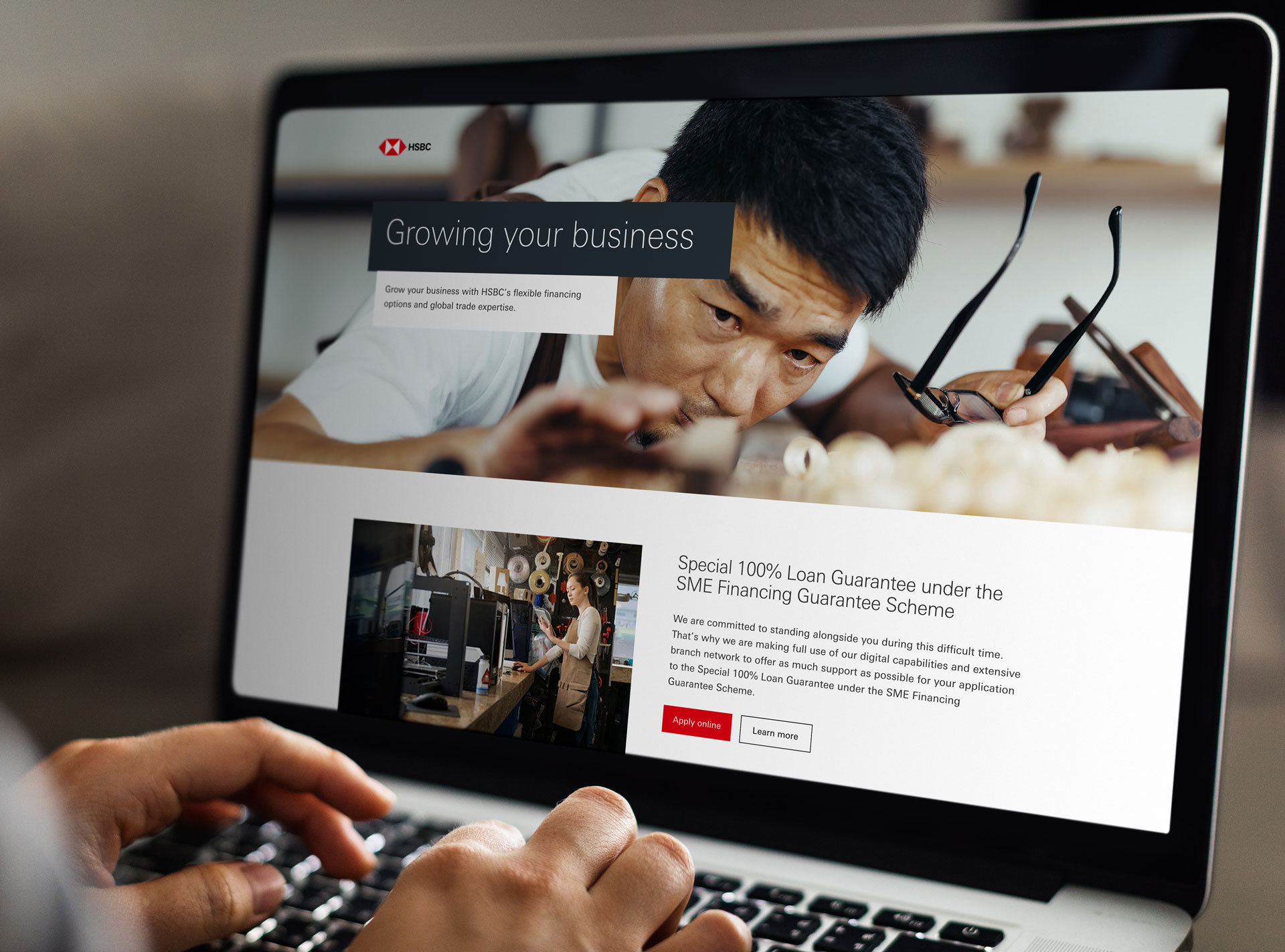
Sustainable Brand Strategy
Sustainable Brand Strategy
Communicating your real commitment to sustainability. Co-creating the brand storytelling that wins over customers.
Are any of these challenges familiar?
Fear of greenwashing is holding back communication that deserves to be heard.
The EU Green Claims Directive is starting to have real implications for how Japanese companies communicate externally. "What if we get called out?" "Is our evidence strong enough?" These concerns keep valuable initiatives locked away inside organisations. Don't communicate and you stay invisible; communicate and you carry the risk of criticism. The longer that dilemma goes unresolved, the wider the awareness gap with competitors becomes.
Fear of greenwashing is holding back communication that deserves to be heard.
The EU Green Claims Directive is starting to have real implications for how Japanese companies communicate externally. "What if we get called out?" "Is our evidence strong enough?" These concerns keep valuable initiatives locked away inside organisations. Don't communicate and you stay invisible; communicate and you carry the risk of criticism. The longer that dilemma goes unresolved, the wider the awareness gap with competitors becomes.
The ESG work is there, but it isn't translating into differentiation or brand value.
Reports written, targets set, progress made, yet consumer and partner perception barely shifts. When everyone is saying the same things ("CO₂ reduction," "sustainable materials"), brand distinctiveness gets lost. Without a consistent narrative connected to your company's own purpose, differentiation remains out of reach. "How can we convert our ESG efforts into brand value with our customers?" "How can we leverage our sustainability efforts to strengthen our employer brand?" "How can we use consumer interest in sustainability as an innovation driver for products and services?" Most organisations get stuck at the point of designing what to say and how. The investment keeps accumulating without connecting to brand value.
The ESG work is there, but it isn't translating into differentiation or brand value.
Reports written, targets set, progress made, yet consumer and partner perception barely shifts. When everyone is saying the same things ("CO₂ reduction," "sustainable materials"), brand distinctiveness gets lost. Without a consistent narrative connected to your company's own purpose, differentiation remains out of reach. "How can we convert our ESG efforts into brand value with our customers?" "How can we leverage our sustainability efforts to strengthen our employer brand?" "How can we use consumer interest in sustainability as an innovation driver for products and services?" Most organisations get stuck at the point of designing what to say and how. The investment keeps accumulating without connecting to brand value.
Sustainability activity is scattered across the organisation and not coming together as a brand.
Environment, HR, communications, marketing; each team working independently, with the external message pulling in different directions. This is a structural problem many companies share. "How can we frame the supply chain transformation we must make into a business-wide agenda?" Search for a partner who can support end-to-end from strategy through to design and communications, and you'll find agencies that stop at visuals and consultants that stop at reports and directional recommendations. Keep operating without integration, and building genuine brand trust becomes harder every year.operating without integration, and building genuine brand trust becomes harder every year.
Sustainability activity is scattered across the organisation and not coming together as a brand.
Environment, HR, communications, marketing; each team working independently, with the external message pulling in different directions. This is a structural problem many companies share. "How can we frame the supply chain transformation we must make into a business-wide agenda?" Search for a partner who can support end-to-end from strategy through to design and communications, and you'll find agencies that stop at visuals and consultants that stop at reports and directional recommendations. Keep operating without integration, and building genuine brand trust becomes harder every year.operating without integration, and building genuine brand trust becomes harder every year.
Combining consumer insight and global intelligence to build brand narratives that earn trust.
From "too afraid of greenwashing to speak up" to "chosen for your authentic story." We work end-to-end: from brand strategy and narrative design through to communications implementation.
Current state assessment and strategic prioritisation
We make stakeholder starting points visible through qualitative and quantitative research, defining where to intervene before deciding what to action.
Current state assessment and strategic prioritisation
We make stakeholder starting points visible through qualitative and quantitative research, defining where to intervene before deciding what to action.
Experience & organisational design with impact measurement
We design workshops, programs, and digital tools, and manage end-to-end KPI design to measure impact at every stage.
Experience & organisational design with impact measurement
We design workshops, programs, and digital tools, and manage end-to-end KPI design to measure impact at every stage.
Mid-to-long-term roadmap design
Starting from long-term vision, we translate your value creation story into clear, executable milestones with a focus on capability development and cross-department actionability.
Mid-to-long-term roadmap design
Starting from long-term vision, we translate your value creation story into clear, executable milestones with a focus on capability development and cross-department actionability.
Cross-functional initiative development
We integrate actions across CSR, marketing, HR, and leadership to build the systems and capabilities that move the whole organisation through actions that deliver tangible results.
Cross-functional initiative development
We integrate actions across CSR, marketing, HR, and leadership to build the systems and capabilities that move the whole organisation through actions that deliver tangible results.
Case studies



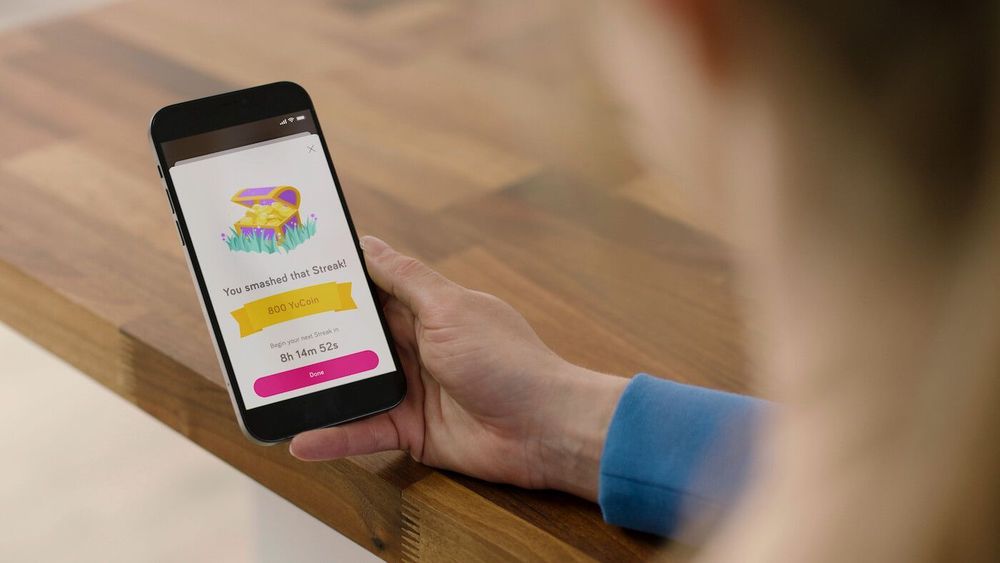

Stakeholder Experience Design
Stakeholder Experience Design
Employing empathy and skill development to drive action around sustainability and business transformation leading to tangible business results.
Are any of these challenges familiar?
You're running workshops and events, but the impact fades fast and behaviour doesn't change.
Budgets spent on internal training and awareness events, yet daily work habits and consumer behaviour stay the same. "We ran the sustainability workshop, but nothing changed afterwards." "We don't have the methodology to make it stick." These cycles keep repeating, activity counts go up while the budget is spent without driving real behaviour change.
You're running workshops and events, but the impact fades fast and behaviour doesn't change.
Budgets spent on internal training and awareness events, yet daily work habits and consumer behaviour stay the same. "We ran the sustainability workshop, but nothing changed afterwards." "We don't have the methodology to make it stick." These cycles keep repeating, activity counts go up while the budget is spent without driving real behaviour change.
Sustainability communications feel like someone else's problem to customers, employees, and communities and engagement stays shallow.
Announcements go out and reports get published, but audiences don't feel like it's relevant to them so it never turns into brand affinity or advocacy. This isn't a volume problem. It's a design problem. "How can we earn the trust of our employees without taking on too much risk in these unpredictable market conditions?" Without a clear, insight-based sense of where to intervene first, adding more touchpoints doesn't bring stakeholders any closer.
Sustainability communications feel like someone else's problem to customers, employees, and communities and engagement stays shallow.
Announcements go out and reports get published, but audiences don't feel like it's relevant to them so it never turns into brand affinity or advocacy. This isn't a volume problem. It's a design problem. "How can we earn the trust of our employees without taking on too much risk in these unpredictable market conditions?" Without a clear, insight-based sense of where to intervene first, adding more touchpoints doesn't bring stakeholders any closer.
You don't have the in-house expertise to design sustainability as an experience and you're not sure where to begin.
Physical spaces, digital, events, community... the touchpoints are multiple. "Can we use new concepts like regenerative business to drive meaningful innovation and differentiation?" Without the capability to decide which experience to prioritise and how to bring them together, external help often results in a fragmented collection of one-off initiatives. The less specialised the approach, the lower the return on investment.
You don't have the in-house expertise to design sustainability as an experience and you're not sure where to begin.
Physical spaces, digital, events, community... the touchpoints are multiple. "Can we use new concepts like regenerative business to drive meaningful innovation and differentiation?" Without the capability to decide which experience to prioritise and how to bring them together, external help often results in a fragmented collection of one-off initiatives. The less specialised the approach, the lower the return on investment.
Using design thinking and a human-centred approach to create experiences that make sustainability personal, then put it into action.
From "communicating but not changing behaviour" to "empathy that generates action." We work end-to-end across disciplines: from current state assessment through experience design
to impact measurement.
Current state assessment and strategic prioritisation
We make stakeholder starting points visible through qualitative and quantitative research, defining where to intervene before deciding what to action.
Current state assessment and strategic prioritisation
We make stakeholder starting points visible through qualitative and quantitative research, defining where to intervene before deciding what to action.
Experience & organisational design with impact measurement
We design workshops, programs, and digital tools, and manage end-to-end KPI design to measure impact at every stage.
Experience & organisational design with impact measurement
We design workshops, programs, and digital tools, and manage end-to-end KPI design to measure impact at every stage.
Mid-to-long-term roadmap design
Starting from long-term vision, we translate your value creation story into clear, executable milestones with a focus on capability development and cross-department actionability.
Mid-to-long-term roadmap design
Starting from long-term vision, we translate your value creation story into clear, executable milestones with a focus on capability development and cross-department actionability.
Cross-functional initiative development
We integrate actions across CSR, marketing, HR, and leadership to build the systems and capabilities that move the whole organisation through actions that deliver tangible results.
Cross-functional initiative development
We integrate actions across CSR, marketing, HR, and leadership to build the systems and capabilities that move the whole organisation through actions that deliver tangible results.
Case Studies

We’ve partnered with




Fabric is collaborating with Andersen Consulting
Nakame Gallery Street J4
2-45-12 Kami-meguro
Meguro-ku Tokyo 153-0051
Japan




Fabric is collaborating with Andersen Consulting
Nakame Gallery Street J4
2-45-12 Kami-meguro
Meguro-ku Tokyo 153-0051
Japan
Copyright Ⓒ Fabric 2026
Fabric is collaborating with
Andersen Consulting
Nakame Gallery Street J4
2-45-12 Kami-meguro
Meguro-ku Tokyo 153-0051
Japan